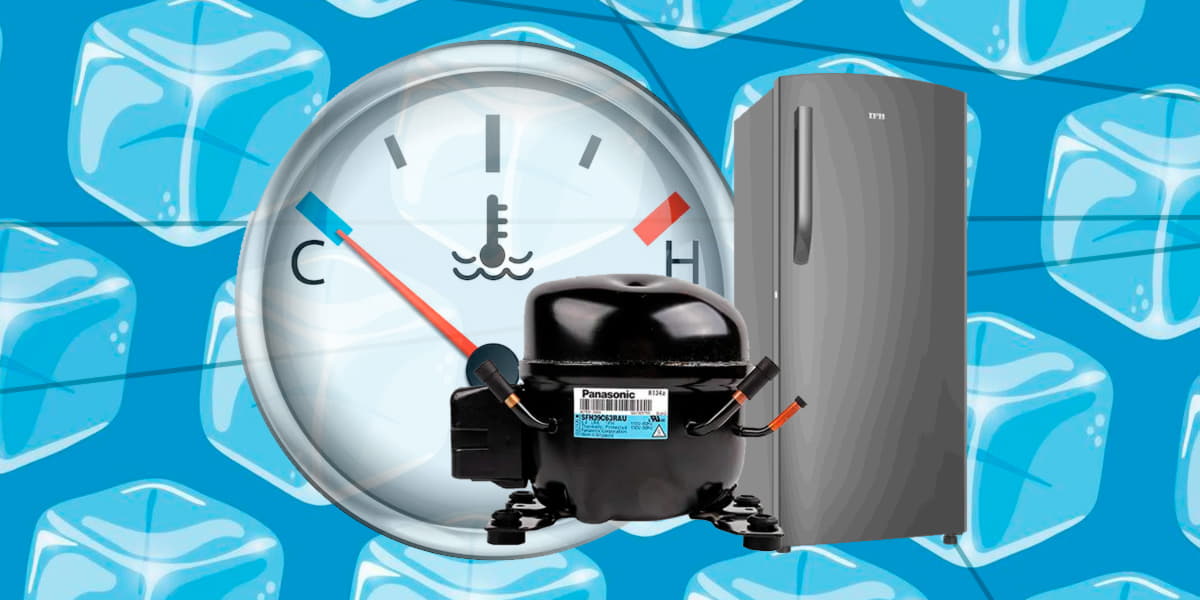
A refrigerator compressor is an essential part of your refrigerator that keeps the temperature at the right level and distributes refrigerant. A malfunctioning compressor can cause a number of problems, including spoiled food, higher energy costs and general discomfort. To find and maybe solve the issue, you might want to try some DIY troubleshooting techniques before contacting a professional. Here is a thorough instruction on diagnosing and fixing the compressor on your refrigerator.
1. Understand the basics
It is crucial that you understand how a refrigerator compressor operates before beginning any troubleshooting. The compressor’s main function is to compress the refrigerant gas to increase its pressure and temperature. The heated, high-pressure gas then passes through the coils of the condenser, cools down and turns into a liquid. This process contributes to preserving the refrigerator’s cool temperature.
2. Check the power supply
Making sure your refrigerator is getting power is the first step in troubleshooting. Verify that the power cord is properly plugged in. Examine the outlet by plugging in a different device to make sure it functions properly. Moreover, make sure there are no blown fuses or tripped breakers in your house by checking the circuit breaker or fuse box.
3. Pay attention to odd noises
An operating compressor normally produces a soft buzzing noise. Unusual sounds like clicking, buzzing or rattling could be signs of an issue. Clicking noises are frequently an indication that there is a problem with the overload protector or start relay, which is preventing the compressor from starting up. Sounds like buzzing or rattling could be signs of a failing compressor or loose parts.
4. Inspect the start relay and overload protector
The compressor is equipped with two small devices: the overload protector and the start relay. The compressor has two little devices attached to it: the overload protector and start relay. They help with starting the compressor and protect against overheating. To examine them, unplug the refrigerator and look for the compressor located at the back of the appliance. Take off the overload protector and relay from the compressor, then shake them gently. If you hear rattling, the relays are likely to be malfunctioning and need replacing.
5. Check the condenser coils
The compressor may overheat and malfunction as a result of dirty condenser coils that can be found at the bottom or back of the refrigerator. After unplugging the refrigerator, clean the coils of any dust or dirt with a brush or vacuum cleaner. Clean coils increase efficiency and provide a smooth compressor operation.
6. Inspect the fan compressor
The compressor fan cools the compressor and condenser coils. A malfunctioning fan may result in overheating. Find the fan, which is often located next to the compressor, and see if it is operating. You may need to clean or replace the fan if the motor is not working or if debris is obstructing the fan blades.
7. Test the compressor with a multimeter
If the problem persists after trying the previous steps, you might use a multimeter to test the compressor. To measure the resistance between the compressor’s three terminals, set the multimeter to measure resistance in ohms. Every measurement should range from five to twenty ohms. If the measurements fall noticeably outside of this range or exhibit no continuity, there is a chance the compressor is broken and needs to be replaced or repaired by a professional.
8. Examine the refrigerant levels
The compressor may have to work harder and possibly fail due to low refrigerant levels. Due to the specific tools and experience required, refilling refrigerant is not a typical do-it-yourself project. However, you can look for obvious leak indicators, such as oily residue near the compressor or evaporator coils. If you think there may be a refrigerant leak, contacting a qualified technician is highly advised.
9. Consider the appliance’s age and efficiency
If your refrigerator is older than ten to fifteen years, replacing it could be cheaper than fixing the compressor. In the long run, older refrigerators may be more expensive to run and consume more energy.
10. Contact an expert technician
In case your refrigerator continues to malfunction even after taking all these steps, it is essential to contact a qualified specialist. Due to their complexity, compressors need to be diagnosed and repaired by the specialist as they can precisely identify the problem and carry out the required replacements or repairs.
These DIY troubleshooting instructions may help you find and address small problems with your refrigerator compressor. To prolong the lifespan of your appliance and prevent future issues, perform routine maintenance such as cleaning the condenser coils and making sure there is adequate airflow.