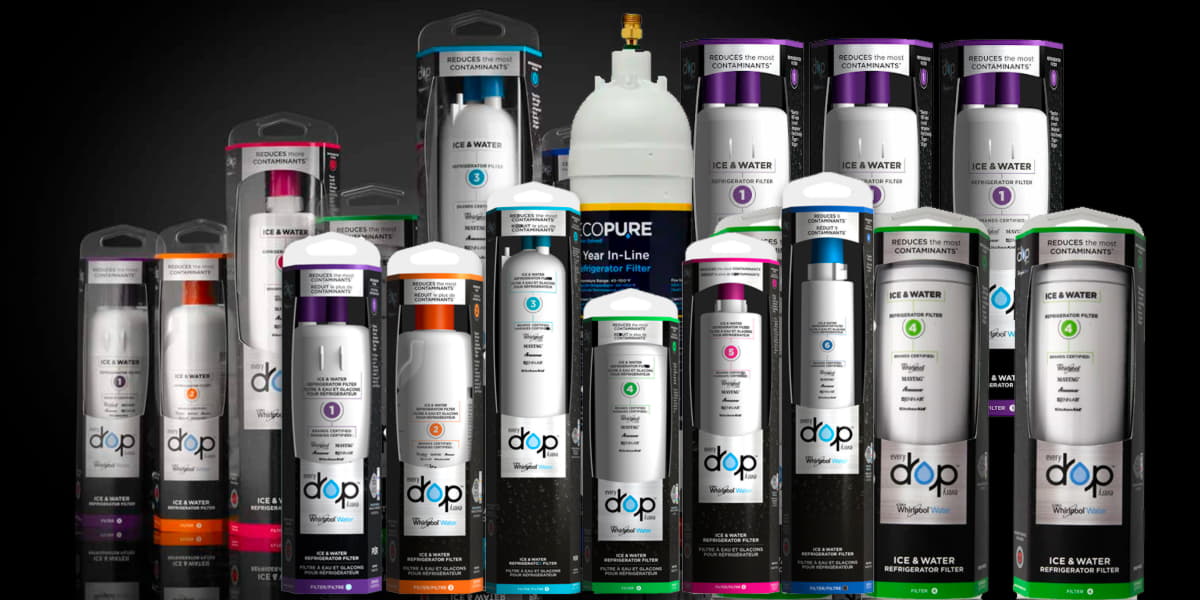
Replacing the water filter in your refrigerator is an important but sometimes underestimated maintenance chore. However, the longevity of the appliance and your health can both greatly benefit from this little effort. This article aims to show why it is critical to frequently replace the water filter in your refrigerator.
Providing safe and clean drinking water
The main goal of replacing the water filter in your refrigerator is to guarantee the quality and safety of the water you drink. Water filters gather contaminants like lead, chlorine and other dangerous substances over time. Some of these contaminants may find their way into your drinking water because an old or clogged filter can no longer remove them efficiently.
There can be major health concerns from contaminants found in water. Consuming significant levels of chlorine, which is frequently used in municipal water treatment, can have negative health impacts over time. Lead and other heavy metals have the potential to harm neurological systems, particularly for kids. By changing your water filter on a regular basis, you can make sure that these contaminants are properly removed and that your drinking water is safe and clean.
Enhancing odor and taste of water
Your drinking water’s taste and odor can be greatly affected by old or obstructed water filters. Some minerals, chemicals and pollutants can build up in the filter over time and give water an unpleasant taste or odor. These contaminants can be easily eliminated by a fresh water filter, guaranteeing that your water tastes clean and fresh. This is particularly relevant for people who use their refrigerator to make ice and drink water since any unpleasant flavors in the water can also damage the taste of food and beverages that are made with it.
Maintaining appliance efficiency
Maintaining the refrigerator’s efficiency is another important reason to replace the water filter. The refrigerator may have to work harder to dispense water and make ice if there is a clogged filter restricting water flow. The refrigerator’s lifespan may be reduced as a result of this increased workload and greater energy use. Regular filter change helps guarantee that your appliance operates well, saving you money on energy costs and lowering the risk of expensive repairs or replacements.
Preventing bacterial growth
If the water filter is not regularly replaced, it can become a breeding ground for bacteria. Bacteria can proliferate in the filter’s surroundings as the pollutants accumulate there. When it occurs, the water your refrigerator dispenses could be hazardous to drink. You may ensure that the water you consume is free of dangerous germs by routinely changing the water filter, which helps prevent bacterial development.
Cost-effective maintenance
When you consider the possible costs of neglecting your refrigerator’s water filter, replacing it is a relatively affordable maintenance chore. The cost of repairing a broken refrigerator or the health dangers of drinking tainted water are far greater than the cost of a new filter. A small initial investment in replacing your filters can help you prevent larger costs later.
Environmental aspects
Using a refrigerator water filter can also be an ecologically friendly decision. A lot of individuals rely on bottled water to make sure their drinking water is safe and clean. Bottled water, however, contributes to plastic waste, which harms the environment greatly. You can reduce your plastic footprint by using and changing the water filter in your refrigerator on a regular basis, which will cut down on the amount of bottled water you require. To further minimize their influence on the environment, certain refrigerator water filters are recyclable.
Replacing the water filter in your refrigerator is a crucial maintenance practice that keeps your drinking water safe and clean, preserves the appliance’s performance, prevents the growth of bacteria, and promotes environmental sustainability. You may enjoy clean water and ice, prolong the life of your refrigerator and improve your general health and well-being by routinely making this simple but significant effort.