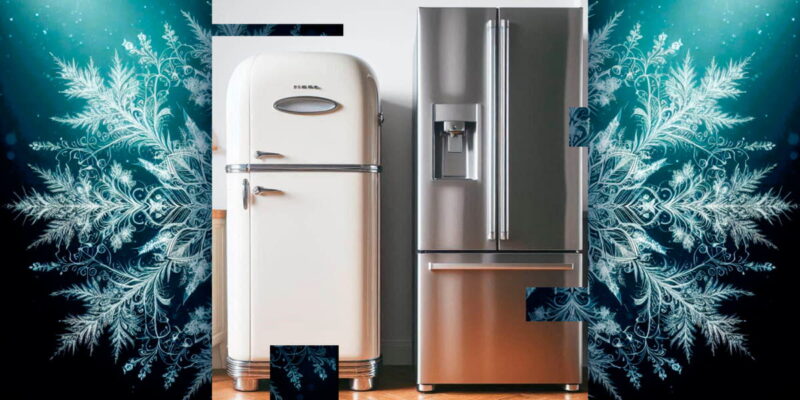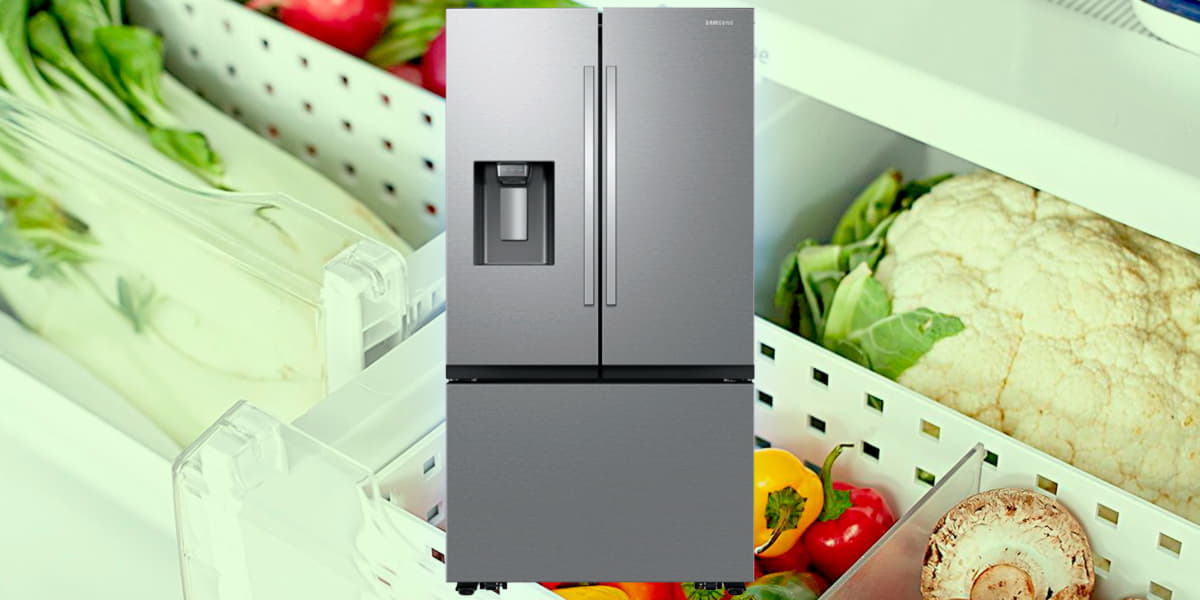
Modern kitchens would never be complete without a refrigerator since this household appliance keeps food safe and fresh. It is common knowledge that maintaining your refrigerator on a regular basis and understanding common repair techniques are crucial to making sure it functions well and lasts longer. The following article provides 31 tips for efficient refrigerator maintenance and repairs.
- Clean the exterior of the fridge: To keep the exterior looking nice and clean, give it a regular wipe down.
- Inspect the door seals: To stop cold air from escaping, make sure the door seals are airtight. Frequently clean and replace them if they are worn out.
- Keep the top of the fridge clear: To prevent heat trapping and decreased efficiency, keep items away from being stored on top of the refrigerator.
- Clean the condenser coils: Dust and dirt build up on the condenser coils can make the refrigerator work harder, so cleaning the coils every six months with a coil brush or vacuum cleaner is absolutely essential.
- Examine the door gasket: To keep an airtight seal, regularly inspect the door gasket for tears or cracks and replace it if needed.
- Avoid overloading the refrigerator: Try not to overload your fridge as its efficiency may suffer from restricted airflow caused by overloading. Instead, keep it neatly organized.
- Level the refrigerator: To avoid improper door sealing and subsequent cooling problems, make sure your appliance is level.
- Monitor for strange noises: Unusual sounds may be a sign of malfunctions. Check for strange noises coming from your fridge and take quick action to address them.
- Set the right temperature: For the optimal performance, maintain the freezer at 0°F (-18°C) and the refrigerator between 37–40°F (3–4°C).
- Examine the door switch: This switch regulates the interior fan and light. If the light won’t turn on while the door is open, replace the switch.
- Enable air circulation: To provide appropriate airflow, make sure there is enough space surrounding the refrigerator, which is typically two to three inches from the wall.
- Check the condenser fan: To contribute to the dissipation of heat, make sure the condenser fan is free of dirt and operating correctly.
- Defrost the freezer: If your freezer isn’t frost-free, defrost it on a regular basis to avoid ice accumulation, which might reduce efficiency.
- Replace the light bulbs: To keep visibility within the refrigerator, replace the light bulb if the interior light goes out.
- Clean the interior regularly: To maintain a clean and odor-free inside of the fridge, clean the shelves and the drawers using a light detergent.
- Inspect the control board: A broken control board can result in a number of problems. Replace it if needed.
- Use a surge protector: Use a surge protector to protect the electronics in your refrigerator from power surges.
- Clean the drip pan: Remove and clean the drip pan underneath the refrigerator to prevent mold growth and smells.
- Inspect the defrost heater: If your fridge is not defrosting automatically, it might be necessary to replace the defrost heater.
- Test the thermistor: The temperature is monitored by the thermistor. If the refrigerator is not cooling correctly, check the thermistor and replace it if necessary.
- Adjust the thermostat: Occasionally verify and adjust the thermostat to make sure the refrigerator is cooling properly.
- Inspect the water inlet valve: The water inlet valve may require replacement if the water dispenser or ice maker is not functioning.
- Check the water filter: To preserve the quality of the water, change the water filter in your refrigerator’s water dispenser every six months.
- Inspect the start relay: The compressor may not start due to a malfunctioning start relay. Replace it if necessary.
- Check the door alignment: If the door is not shutting properly, adjust the door alignment to make sure it seals correctly.
- Verify the compressor: If the fridge is not cooling, the compressor may be broken. Seek expert advice for replacement and diagnosis.
- Inspect for ice maker issues: If your ice maker is not functioning, examine the water pipe and ice maker unit for obstructions or damage.
- Clean the ice dispenser: Clean the ice dispenser on a regular basis to avoid the accumulation of mold and mildew.
- Check for leaks: Keep an eye for any water leaks in the refrigerator and fix them right away.
- Examine the evaporator fan: As the evaporator fan is essential for circulating cold air, make sure it is operating properly.
- Schedule regular maintenance: In order to guarantee that your refrigerator stays in optimal condition, think about scheduling an annual professional maintenance.
Following these advice can easily help you increase your refrigerator’s lifespan, boost its efficiency and save money on repairs. Frequent maintenance guarantees that your food stays safe and fresh in addition to keeping your appliance operating efficiently.